|
|
|
🧼 What's a Dishwasher?
A dishwasher is just a kitchen thingy that washes your dishes, pots, pans, and all that stuff for you. It uses water, soap, and heat to get the job done.
🧩 Kinds of Dishwashers
1. Built-In Dishwashers
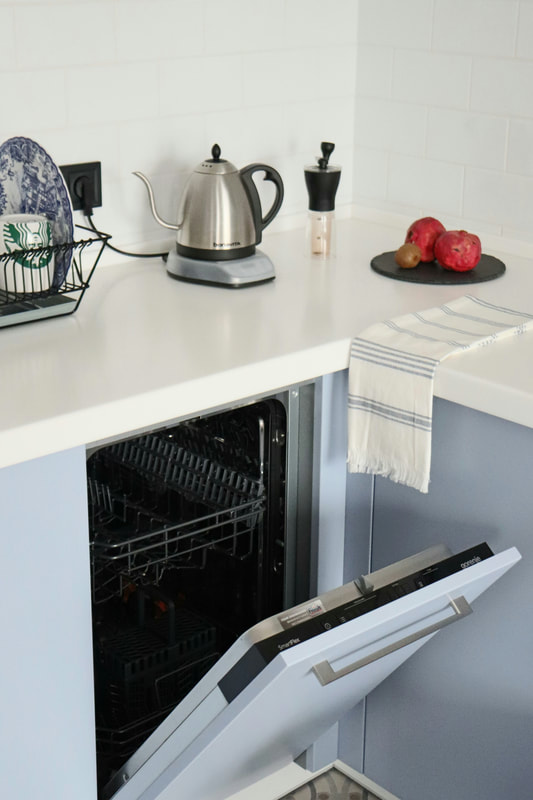
These are the ones that go under your counter and stay there.
Standard size is about 24 inches wide, but some are skinnier (18 inches).
They're awesome if you wash dishes all the time.
2. Freestanding Dishwashers
You can stick these almost anywhere there's water and a drain.
They're around the same size as the built-in ones but aren't stuck in place.
Good if you rent or might want to move things around later.
3. Countertop Dishwashers
Small dishwashers that sit on your counter and are connected to your sink.
Perfect if you have a tiny kitchen or live alone.
4. Drawer Dishwashers
These are like dishwashers that pull out like drawers, you can get them with one or two drawers.
You can wash small amounts of dishes without wasting water or energy.
5. Portable Dishwashers
These roll around on wheels and hook up to your sink.
Best if you don't have space for a built-in dishwasher.
🔧 What You Need to Install One
Water: Needs to hook up to cold or hot water.
Drain: Needs to drain into a pipe or your sink.
Electricity: Needs a regular outlet.
Space: Make sure the door can open and there's enough air.
🌡️ How They Work
First, it rinses off the big chunks of food.
Then, it blasts everything with hot soapy water using spinning spray arms.
Next, it rinses off the soap.
Last, it dries everything with heat or sometimes just air.
🔍 What to Look For When Buying
Size: How many dishes it can hold at once.
Wash Cycles:
Normal
Super dirty
Fast wash
Saves energy
Just rinse
Drying Stuff:
Heated
No heat
Air only
Adjustable Shelves: So you can fit big pots and weird-shaped stuff.
Dirt Sensors: It figures out how dirty the dishes are and adjusts the washing.
Noise: How loud it is (40–55 dB is not loud).
Energy Saver: Saves you money on your electric bill.
Timer: You can set it to wash later when electricity is cheaper.
🧴 Soaps and Other Stuff
Powder: Cheap, but you have to measure it.
Gel: Easy to use, but sometimes it leaves marks.
Pods: Already measured out and easy.
Rinse Aid: Makes sure you don't get spots and helps with drying.
Salt: This will help if you have a hard water.
🧼 How to Load It Right
Scrape off the big pieces of food, don't rinse.
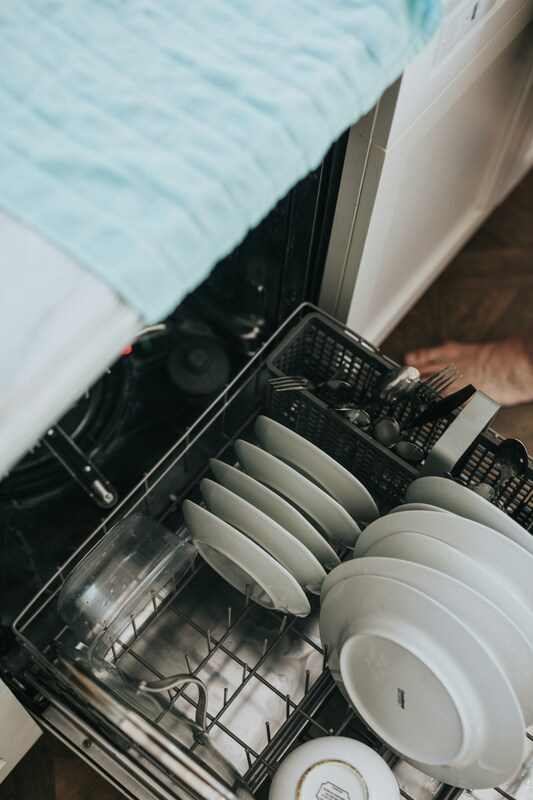
Put big stuff on the bottom.
Put glasses and small stuff on top.
Point the dirty parts toward the spray arms.
Don't cram too much in.
⚙️ How to Keep It Running Well
Clean the thing that catches food every month.
Wipe around the door every week.
Run it with vinegar once a month.
Check the spinning arms to make sure they are not clogged.
Add salt and rinse aid if you have hard water.
⚡ Saving Energy and Water
Use the energy-saving or quick wash settings when you can.
Only wash when it's totally full.
Let the dishes air dry if you can.
🛠️ Problems and What to Do
Problem: Dishes are still dirty.
Why: Too full, spray arms blocked.
Fix: Move things around, clean the arms.
Problem: Water won't drain.
Why: Something's stuck in the filter or hose.
Fix: Clean the filter, check the hose.
Problem: White stuff on dishes.
Why: Hard water.
Fix: Use rinse aid and special dishwasher salt.
Problem: It smells bad.
Why: Old food in the filter or around the door.
Fix: Clean the filter, run it with vinegar/baking soda.
Problem: Water leaking.
Why: Door seal is bad, or too much soap.
Fix: Replace the seal, use less soap.
Problem: It's too loud.
Why: Something's loose, or the motor's going bad.
Fix: Check for stuff blocking it, or call someone to fix it.
🔁 How Long They Last
They usually last about 9–12 years if you take care of them.
They might not save as much energy after 8–10 years.
🧠 Fancy Stuff (If You Want It)
Connects to your phone
Automatically adds soap
Cleans its own filters
Lights inside
Detects leaks and shuts off water
✅ When to Get a New One
It's using way too much water and electricity.
There's rust or damage inside.
It's super loud or keeps breaking down.
A dishwasher is just a kitchen thingy that washes your dishes, pots, pans, and all that stuff for you. It uses water, soap, and heat to get the job done.
🧩 Kinds of Dishwashers
1. Built-In Dishwashers
These are the ones that go under your counter and stay there.
Standard size is about 24 inches wide, but some are skinnier (18 inches).
They're awesome if you wash dishes all the time.
2. Freestanding Dishwashers
You can stick these almost anywhere there's water and a drain.
They're around the same size as the built-in ones but aren't stuck in place.
Good if you rent or might want to move things around later.
3. Countertop Dishwashers
Small dishwashers that sit on your counter and are connected to your sink.
Perfect if you have a tiny kitchen or live alone.
4. Drawer Dishwashers
These are like dishwashers that pull out like drawers, you can get them with one or two drawers.
You can wash small amounts of dishes without wasting water or energy.
5. Portable Dishwashers
These roll around on wheels and hook up to your sink.
Best if you don't have space for a built-in dishwasher.
🔧 What You Need to Install One
Water: Needs to hook up to cold or hot water.
Drain: Needs to drain into a pipe or your sink.
Electricity: Needs a regular outlet.
Space: Make sure the door can open and there's enough air.
🌡️ How They Work
First, it rinses off the big chunks of food.
Then, it blasts everything with hot soapy water using spinning spray arms.
Next, it rinses off the soap.
Last, it dries everything with heat or sometimes just air.
🔍 What to Look For When Buying
Size: How many dishes it can hold at once.
Wash Cycles:
Normal
Super dirty
Fast wash
Saves energy
Just rinse
Drying Stuff:
Heated
No heat
Air only
Adjustable Shelves: So you can fit big pots and weird-shaped stuff.
Dirt Sensors: It figures out how dirty the dishes are and adjusts the washing.
Noise: How loud it is (40–55 dB is not loud).
Energy Saver: Saves you money on your electric bill.
Timer: You can set it to wash later when electricity is cheaper.
🧴 Soaps and Other Stuff
Powder: Cheap, but you have to measure it.
Gel: Easy to use, but sometimes it leaves marks.
Pods: Already measured out and easy.
Rinse Aid: Makes sure you don't get spots and helps with drying.
Salt: This will help if you have a hard water.
🧼 How to Load It Right
Scrape off the big pieces of food, don't rinse.
Put big stuff on the bottom.
Put glasses and small stuff on top.
Point the dirty parts toward the spray arms.
Don't cram too much in.
⚙️ How to Keep It Running Well
Clean the thing that catches food every month.
Wipe around the door every week.
Run it with vinegar once a month.
Check the spinning arms to make sure they are not clogged.
Add salt and rinse aid if you have hard water.
⚡ Saving Energy and Water
Use the energy-saving or quick wash settings when you can.
Only wash when it's totally full.
Let the dishes air dry if you can.
🛠️ Problems and What to Do
Problem: Dishes are still dirty.
Why: Too full, spray arms blocked.
Fix: Move things around, clean the arms.
Problem: Water won't drain.
Why: Something's stuck in the filter or hose.
Fix: Clean the filter, check the hose.
Problem: White stuff on dishes.
Why: Hard water.
Fix: Use rinse aid and special dishwasher salt.
Problem: It smells bad.
Why: Old food in the filter or around the door.
Fix: Clean the filter, run it with vinegar/baking soda.
Problem: Water leaking.
Why: Door seal is bad, or too much soap.
Fix: Replace the seal, use less soap.
Problem: It's too loud.
Why: Something's loose, or the motor's going bad.
Fix: Check for stuff blocking it, or call someone to fix it.
🔁 How Long They Last
They usually last about 9–12 years if you take care of them.
They might not save as much energy after 8–10 years.
🧠 Fancy Stuff (If You Want It)
Connects to your phone
Automatically adds soap
Cleans its own filters
Lights inside
Detects leaks and shuts off water
✅ When to Get a New One
It's using way too much water and electricity.
There's rust or damage inside.
It's super loud or keeps breaking down.